Most Shopify stores aren't losing search traffic because of some exotic algorithm problem. They're losing it to a stack of small, boring fixes nobody ever got around to. I've audited enough Shopify stores to know the pattern: the theme is fine, the products are fine, and the SEO basics have just been quietly ignored since launch.
Table of Contents
- Why "Quick Wins" Matter More Than a Full Rebuild
- The 15 Fixes, Ranked by Effort-to-Impact
- Fixes You Can Do Without Touching Code
- Fixes That Need One Theme Edit
- What to Skip For Now
Why "Quick Wins" Matter More Than a Full Rebuild
Founders often assume SEO progress requires a full site rebuild or an agency retainer. It doesn't. Search engines reward consistency in a handful of on-page and technical signals, and Shopify stores tend to be missing the same five or six things regardless of niche.
Fixing these won't make you outrank Amazon for a head term. It will close the gap between "technically indexed" and "actually competitive" — which is where most stores are stuck.

The 15 Fixes, Ranked by Effort-to-Impact
Work top to bottom. Each one is genuinely doable in under an hour once you know where to look.
- Set a unique meta title and description on every product page. Default Shopify templates often duplicate the product name into the title tag with nothing else — no modifier, no benefit, no brand.
- Rewrite thin product descriptions. Anything under 50 words copied from a supplier is functionally invisible to search engines.
- Fix duplicate H1s across collections. Many themes auto-set the collection name as H1 and repeat it in the page title with zero variation.
- Add alt text to product images. This is the single most skipped item on this list and the easiest to batch.
- Compress oversized product images. Large hero images are still the most common Shopify page-speed killer.
- Set canonical tags on filtered collection URLs. Faceted filters (size, color, price) generate near-duplicate URLs that dilute ranking signal.
- Fix broken internal links from old blog posts or landing pages. Discontinued products leave dead links pointing at 404s.
- Add a proper 404 page with links back to top collections. This won't fix rankings directly but stops bounce-driven signal loss.
- Submit an updated XML sitemap to Google Search Console. Shopify generates one automatically, but most stores never verify it's actually submitted.
- Clean up orphaned pages with no internal links pointing to them. If nothing links to a page, search engines deprioritize it.
- Add schema markup for products (price, availability, reviews). Shopify apps can add this in minutes if your theme doesn't already.
- Fix redirect chains from old URL structures. Multiple 301 hops slow crawling and leak authority.
- Set a keyword-relevant URL structure on new collections.
/collections/summer-sale-2024ages badly;/collections/womens-sandalsdoesn't. - Add FAQ content to top product or category pages. This targets long-tail question queries with almost no extra design work.
- Check mobile page speed on your three highest-traffic pages. Most Shopify speed problems live in apps, not the theme.
Fixes You Can Do Without Touching Code
Items 1, 2, 4, 8, 9, and 14 are pure content and settings changes inside Shopify's admin. No developer needed. If you're doing this solo, start here — it's the fastest path to visible movement and it builds the habit of treating SEO as ongoing maintenance rather than a one-time project.
Fixes That Need One Theme Edit
Items 3, 6, 11, and 13 usually require a single edit to theme.liquid or a canonical tag app. None of these are a rebuild. If you don't have an in-house developer, this is the kind of work worth handing to a freelancer for a fixed one-hour block rather than opening a broader project.

What to Skip For Now
Don't chase content-heavy strategies — pillar pages, backlink outreach, a blog overhaul — before this list is done. Building authority content on top of unfixed technical debt is like running paid ads to a broken checkout page. Fix the foundation first, then invest in the harder, slower stuff.

Frequently asked questions
How long does it actually take to see ranking movement after these fixes?+
Most stores see indexing and crawl changes within one to two weeks, with ranking movement on lower-competition terms showing up over four to eight weeks. Competitive head terms take longer regardless of technical cleanup.
Do I need a developer for any of these fixes?+
Only four of the fifteen require a theme edit, and even those are single, contained changes rather than a rebuild. The rest are doable directly in the Shopify admin.
Which of these fixes has the biggest impact for the least effort?+
Alt text and meta title/description fixes on product pages consistently move the needle fastest because they're both heavily weighted signals and almost always neglected on Shopify stores by default.
Should I use a Shopify SEO app instead of doing this manually?+
Apps are useful for schema markup and image compression specifically. For the content-based fixes — titles, descriptions, alt text — manual work produces better results than auto-generated app output.
How often should I redo this checklist?+
Run it quarterly, or any time you add a new product line or migrate themes. New products and collections reintroduce the same gaps even after a clean audit.
Tags
More from the blog

SEO Agency vs. Freelancer: What Small Businesses Should Actually Compare
Most small businesses compare SEO agencies and freelancers on price alone. Here is what actually separates them, and how to pick the right one for your stage.
Read →

How Much Does a Fractional COO Actually Cost in 2026? (US/UK/UAE/AU Breakdown)
Fractional COO pricing varies widely by model, market, and scope. Here is a real breakdown of what businesses actually pay in the US, UK, UAE, and Australia in 2026.
Read →
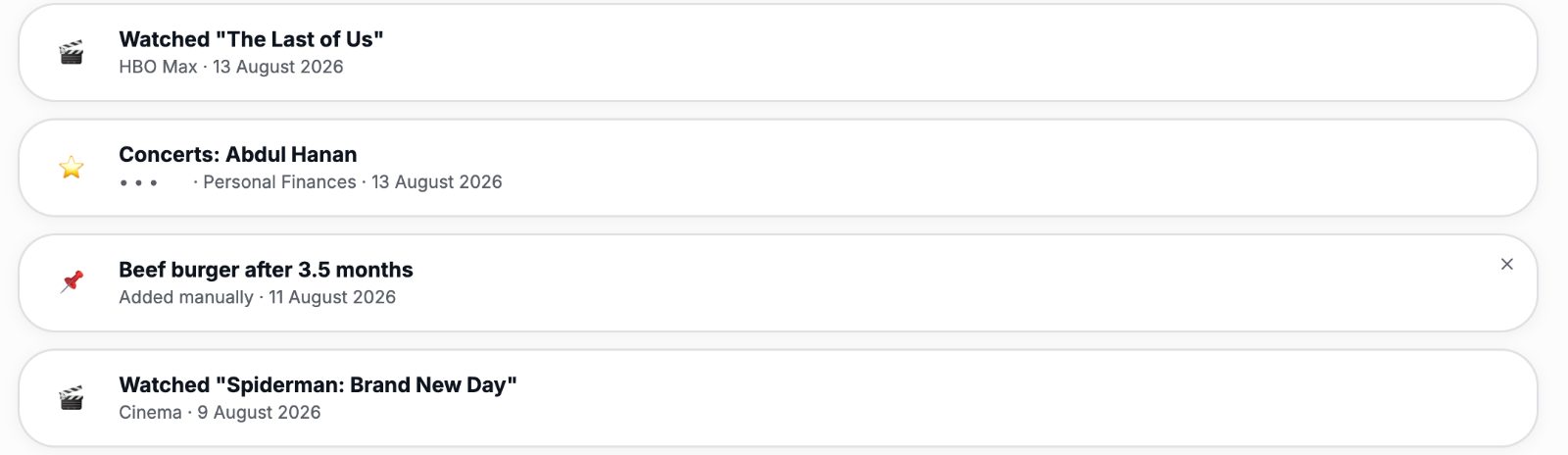
Faizan OS Week 3: A Milestone Feed and the First Privacy Bugs
Week three of building Faizan OS brought a curated milestone feed pulling from across the app, five new modules in two days, and the first bugs where real numbers showed up on screen when they should have stayed hidden.
Read →
Free operational audit
Want help building yours?
I structure and run offshore delivery teams for a living. Start with a free operational audit.