Shopify Conversion Rate Optimization: 10 Levers Beyond Running More Ads
August 13, 2026 · Faizan Azhar
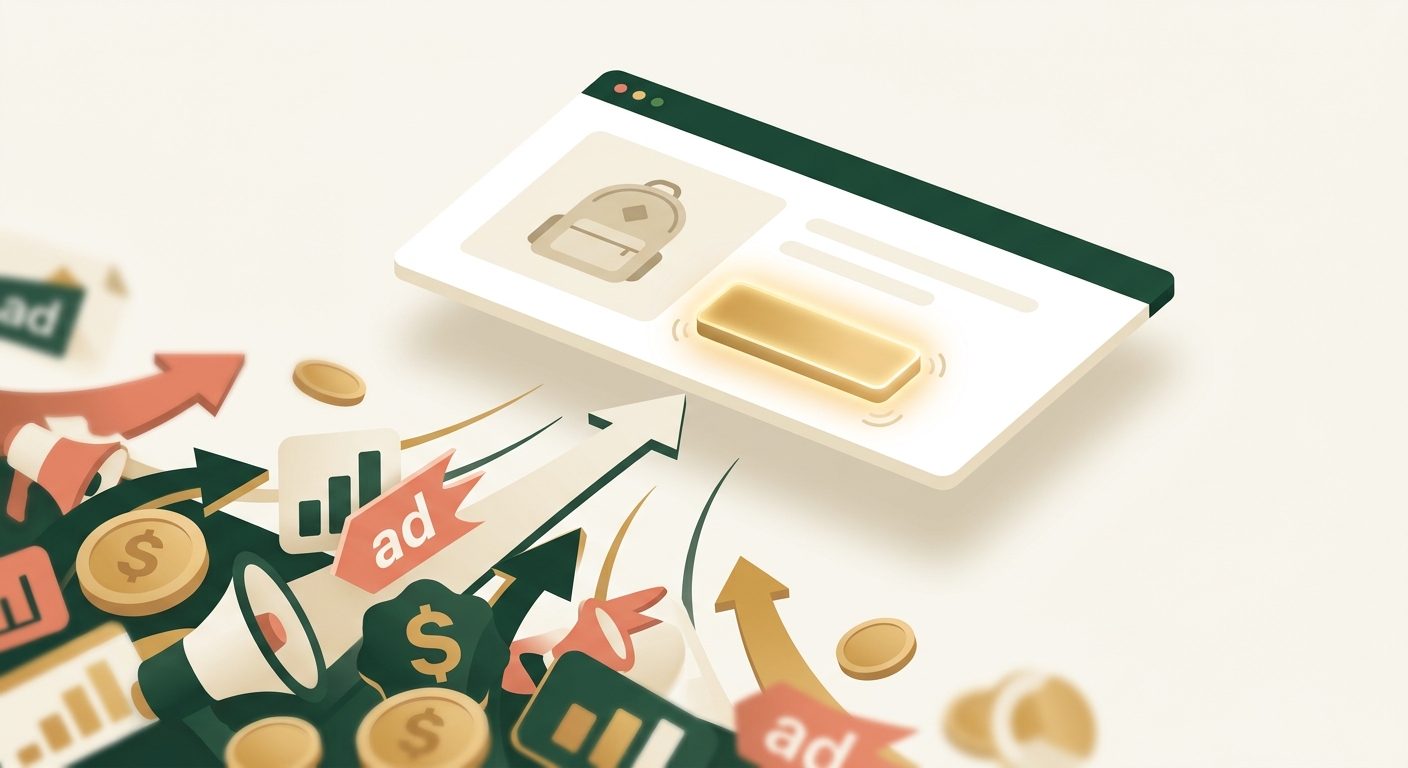
Most Shopify brands respond to flat sales the same way. They increase ad spend. It works for a while, then the math stops working, because the problem was never traffic. It was what happened to that traffic once it landed on the store. Conversion rate optimization is cheaper than acquisition, and it compounds. Fix the store once and every dollar of ad spend after that works harder.
Table of Contents
- Why Ad Spend Isn't the First Lever to Pull
- Fix the Product Page Before Anything Else
- Reduce Friction in the Cart, Not Just the Checkout
- Speed Is a Conversion Feature, Not a Technical Metric
- Trust Signals Belong Where the Doubt Happens
- Mobile Is the Default Experience, Not a Secondary One
- Post-Purchase Flows That Recover Lost Revenue
- The Ten Levers, Ranked by Effort vs. Impact
- What to Measure Before You Touch Ad Spend Again
Why Ad Spend Isn't the First Lever to Pull
If your Shopify store converts at 1.2% and industry average sits closer to 2.5% to 3%, doubling ad spend just doubles the number of visitors who leave without buying. That's not growth, it's a bigger bill for the same leak.
CRO fixes compound in a way paid acquisition doesn't. A 1 point lift in conversion rate applies to every visitor going forward, organic and paid, forever, until you change the site again. An extra dollar of ad spend only buys that day's traffic. Before increasing budget, the better question is whether the store is actually ready to convert the traffic it already has.
Fix the Product Page Before Anything Else
The product page is where the buying decision actually happens, and it's the most under-invested page on most Shopify stores. Three things move the needle fastest:
- Above-the-fold clarity. Price, primary image, and add-to-cart button should be visible without scrolling on both desktop and mobile. If a shopper has to scroll to find the price, that's friction that shouldn't exist.
- Real product photography, not just studio shots. Lifestyle images, size references, and user-generated content reduce the "what will this actually look like" hesitation that kills conversion on considered purchases.
- Specific, scannable copy. Bullet points beat paragraphs. Buyers skim. Bury the differentiator in a wall of text and it never gets read.
A furniture brand I worked with rewrote product pages to lead with dimensions and material specifics instead of brand story copy. Conversion on those pages rose 18% in six weeks with zero change to traffic or price.

Reduce Friction in the Cart, Not Just the Checkout
Most CRO effort goes into checkout, since it's the last step before revenue. But the cart page itself is where a lot of hesitation actually happens.
- Show shipping cost estimates in the cart, not just at checkout. Surprise shipping costs are consistently one of the top reasons for abandonment.
- Add a progress indicator toward free shipping thresholds. It's a small nudge that reliably increases average order value while reducing the sense of "why am I paying for shipping."
- Keep the cart editable in place. Forcing a shopper to leave the cart page to change a quantity or remove an item adds a step that costs conversions.
Speed Is a Conversion Feature, Not a Technical Metric
Every additional second of load time is a conversion cost, not just a technical inconvenience. Shopify stores loaded with unoptimized apps, oversized images, and third-party scripts routinely lose a full second or more of load time to bloat that adds no customer value.
Run a quarterly app audit. Every app installed on a Shopify store adds a script that loads on every page, whether or not it's actively used. Removing unused apps is one of the highest-leverage, lowest-effort CRO moves available, and it's usually free.
Trust Signals Belong Where the Doubt Happens
Trust badges and reviews only work when they show up at the moment of hesitation, not buried on an About page nobody visits.
- Reviews belong on the product page, near the add-to-cart button, not on a separate tab.
- Return policy and shipping timelines belong near the price, since that's where a buyer is calculating total cost and risk.
- Security badges at checkout matter less than they used to, but a visible, specific return policy ("30-day returns, no restocking fee") still measurably reduces cart abandonment on higher-ticket items.
Mobile Is the Default Experience, Not a Secondary One
For most Shopify brands, 65% to 75% of traffic is mobile, yet mobile conversion still lags desktop on most stores because the desktop experience was built first and mobile was adapted afterward instead of designed for directly.
Test the actual checkout flow on a phone, not a resized browser window. Tap targets, form field sizing, and autofill compatibility are common failure points that never show up in a desktop QA pass but quietly cost conversions every day.

Post-Purchase Flows That Recover Lost Revenue
CRO doesn't stop at the sale. Cart abandonment recovery flows through Klaviyo or a similar tool recover revenue that's already been "lost" once, at a fraction of the cost of acquiring a new visitor.
A well-built three-email abandonment sequence (reminder, incentive, urgency) typically recovers a meaningful share of abandoned carts. That recovered revenue is nearly pure margin, since the acquisition cost was already spent getting that visitor to the cart in the first place.
The Ten Levers, Ranked by Effort vs. Impact
What to Measure Before You Touch Ad Spend Again
Before increasing ad budget, pull three numbers: overall conversion rate, mobile conversion rate specifically, and cart abandonment rate. If mobile conversion is meaningfully lower than desktop, or cart abandonment sits above 70%, that's the higher-leverage fix. Ad spend amplifies whatever the store already does well, and whatever it does poorly. Fix the store first, then scale the traffic into it.

Frequently asked questions
What's a good conversion rate for a Shopify store?+
Averages vary by category, but most Shopify stores land between 1% and 2%, with strong performers reaching 2.5% to 3.5%. The more useful benchmark is your own store's trend over time, since category, price point, and traffic quality all affect what's realistic.
Should I fix conversion rate or increase ad spend first?+
Fix conversion rate first. A conversion rate improvement applies to all future traffic, paid and organic, while additional ad spend only buys that day's visitors. Fixing the store first also means every ad dollar spent afterward converts at a higher rate.
How much does cart abandonment cost a typical Shopify store?+
Cart abandonment rates commonly sit between 65% and 80% depending on industry. Even a modest reduction, recovered through better checkout flow or an abandoned cart email sequence, translates directly into revenue without any additional ad spend.
Do trust badges and reviews actually move conversion rate?+
Yes, but placement matters more than presence. Reviews and trust signals only influence the decision when they appear at the point of hesitation, typically near the price and add-to-cart button, not on a separate page the shopper has to seek out.
How often should a Shopify store run a CRO audit?+
Quarterly is a reasonable cadence for most growing brands. Apps get added, themes get updated, and small friction points accumulate over time. A quarterly audit catches drift before it compounds into a meaningful conversion drop.
Tags
More from the blog

SEO Agency vs. Freelancer: What Small Businesses Should Actually Compare
Most small businesses compare SEO agencies and freelancers on price alone. Here is what actually separates them, and how to pick the right one for your stage.
Read →

How Much Does a Fractional COO Actually Cost in 2026? (US/UK/UAE/AU Breakdown)
Fractional COO pricing varies widely by model, market, and scope. Here is a real breakdown of what businesses actually pay in the US, UK, UAE, and Australia in 2026.
Read →
Faizan OS Week 3: A Milestone Feed and the First Privacy Bugs
Week three of building Faizan OS brought a curated milestone feed pulling from across the app, five new modules in two days, and the first bugs where real numbers showed up on screen when they should have stayed hidden.
Read →
Free operational audit
Want help building yours?
I structure and run offshore delivery teams for a living. Start with a free operational audit.