
Every founder hits the same wall: revenue is growing, and so is the chaos. The instinct is to hire your way out of it: another ops manager, another coordinator, another pair of hands. Nine times out of ten, that's treating a symptom. The actual problem is that your operations weren't built to scale, and adding people to a broken system just makes the breakage more expensive.
Table of Contents
- Why Hiring Is the Default (and Usually Wrong) Answer
- The Real Bottleneck Is Rarely Headcount
- Run an Operations Audit Before You Post a Job
- Four Levers That Scale Without Adding Headcount
- When Hiring Actually Is the Right Call
- What This Looks Like in Practice
Why Hiring Is the Default (and Usually Wrong) Answer
Hiring feels like progress. It's visible, it's decisive, and it signals to the team (and to yourself) that you're taking the strain seriously. But headcount is the most expensive lever a business has, and it's usually pulled reflexively rather than strategically.
Here's the pattern I see constantly: a business goes from $2M to $5M in revenue, and headcount doubles in the same window. Nobody stopped to ask whether the work itself should still be happening the same way. The team just absorbed more of the same manual, undocumented, person-dependent processes, with more people doing them.
The result is a business that's structurally more fragile at $5M than it was at $2M, because more of its operating cost is now locked into salaries tied to workflows nobody has questioned.

The Real Bottleneck Is Rarely Headcount
When a founder tells me "we need to hire," I ask three questions before agreeing:
- Is work getting done late, or is it getting done twice?
- Does it depend on one person's memory, or is it documented?
- Is it a volume problem, or a routing problem?
Volume problems, genuinely more units of work than any system can process, are rare in businesses under $20M in revenue. Routing problems are common: work sits waiting for approval, gets redone because requirements weren't clear the first time, or gets duplicated because two people both think they own it.
Adding a person to a routing problem doesn't fix the routing. It just adds a new node the confusion has to pass through.
Run an Operations Audit Before You Post a Job
Before any hiring conversation, map where time is actually going. This doesn't need to be complicated, a two-week audit across your core departments will surface most of it:
- Time-in-motion: How long does a task sit untouched between steps? Idle time is almost always a process gap, not a capacity gap.
- Rework rate: What percentage of deliverables get redone because of unclear inputs, missed handoffs, or changed requirements mid-stream?
- Single points of failure: Which processes only one person can execute, with no documentation and no backup?
- Decision latency: How many approvals does a routine task pass through before it's considered "done"?
I ran this exact audit for a home services client convinced they needed two more dispatchers. The audit showed 40% of dispatch time was spent re-confirming appointments that should have auto-confirmed through their existing CRM, a configuration fix, not a hiring problem. They saved roughly $95K in annualized salary by spending three weeks fixing the workflow instead.
Four Levers That Scale Without Adding Headcount
Standardize before you delegate. If a process only works because one experienced person is running it from memory, you can't safely hand it to anyone, new hire or otherwise. Document the decision points first. This alone resolves a huge share of "we need more people" requests, because it turns out the process just needed to be teachable.
Push decisions down, not sideways. Bottlenecks usually aren't a shortage of doers, they're a shortage of decision-makers close to the work. Give your existing team clear, documented authority to make routine calls without escalating. This clears more capacity than a new hire, without adding a single salary.
Automate the routing, not just the task. Most businesses under $10M automate individual tasks (an email sequence, an invoice reminder) but never automate the handoffs between people. That's where the real time loss lives. A CRM or PM tool configured to auto-route work based on status changes eliminates the "who owns this now" delay that eats hours every week.
Sequence the work, don't just add lanes. Adding staff is adding lanes to a highway. Sequencing is fixing the traffic light timing. Most operational strain comes from bad sequencing, work arriving in the wrong order, dependencies not respected, and no amount of added headcount fixes bad sequencing. It just means more people stuck in the same jam.

When Hiring Actually Is the Right Call
None of this means never hire. Hire when:
- You've genuinely hit a volume ceiling after fixing the process, the work is well-defined, documented, and there's simply more of it than current capacity can absorb.
- You need a net-new capability the business has never had (a first dedicated finance hire, a first dedicated ops lead).
- The cost of not having a dedicated owner is measurably higher than the cost of the hire, not felt as "everyone's stretched," but shown in missed revenue, churn, or compliance risk.
The difference is sequencing: fix the system, then hire into the system. Hiring into chaos just gives the chaos a bigger blast radius.
What This Looks Like in Practice
A $6M Shopify brand I worked with was planning to hire a second operations coordinator to keep up with order volume during peak season. Instead, we spent two weeks mapping the fulfillment workflow and found three manual handoffs between order confirmation, inventory sync, and shipping that were each adding 6-8 hours of delay per week. Fixing the integration and documenting the exception-handling process removed the bottleneck entirely. They hired the coordinator a year later, once the business had genuinely outgrown the system, not before.
That's the sequencing that saves money and prevents the kind of operational bloat that's brutally hard to unwind later. Scale the system first. Let headcount follow necessity, not panic.

Frequently asked questions
How do I know if my business has an operations problem versus a headcount problem?+
Run a short audit tracking idle time, rework rate, and decision latency across your core workflows. If tasks are stalling between steps or getting redone due to unclear handoffs, that's a process gap, adding people won't fix it. If the team is executing efficiently but there's simply more volume than capacity, that's a genuine headcount need.
What's the fastest way to start fixing operations without hiring?+
Document the one or two processes that currently depend entirely on one person's memory. Standardizing those first removes the biggest single point of failure and usually frees up more capacity than a new hire would.
Isn't automation expensive and slow to implement?+
Not usually at the scale most founders are operating at. Fixing routing and handoffs inside tools you already own (CRM, PM software) is often a configuration change, not a new software purchase, the home services example above cost three weeks of time, not a new tech budget.
How long should an operations audit take before making a hiring decision?+
Two weeks is typically enough to surface the major bottlenecks across a small business's core departments. It doesn't need to be exhaustive, it needs to be honest about where time is actually going versus where you assume it's going.
At what point does hiring become the right answer instead of fixing systems?+
Once you've documented and streamlined the process and the team is still capacity-constrained, not confused, not blocked, just genuinely out of hours, that's a real volume problem. Hire into a fixed system, not a broken one.
Tags
More from the blog

SEO Agency vs. Freelancer: What Small Businesses Should Actually Compare
Most small businesses compare SEO agencies and freelancers on price alone. Here is what actually separates them, and how to pick the right one for your stage.
Read →

How Much Does a Fractional COO Actually Cost in 2026? (US/UK/UAE/AU Breakdown)
Fractional COO pricing varies widely by model, market, and scope. Here is a real breakdown of what businesses actually pay in the US, UK, UAE, and Australia in 2026.
Read →
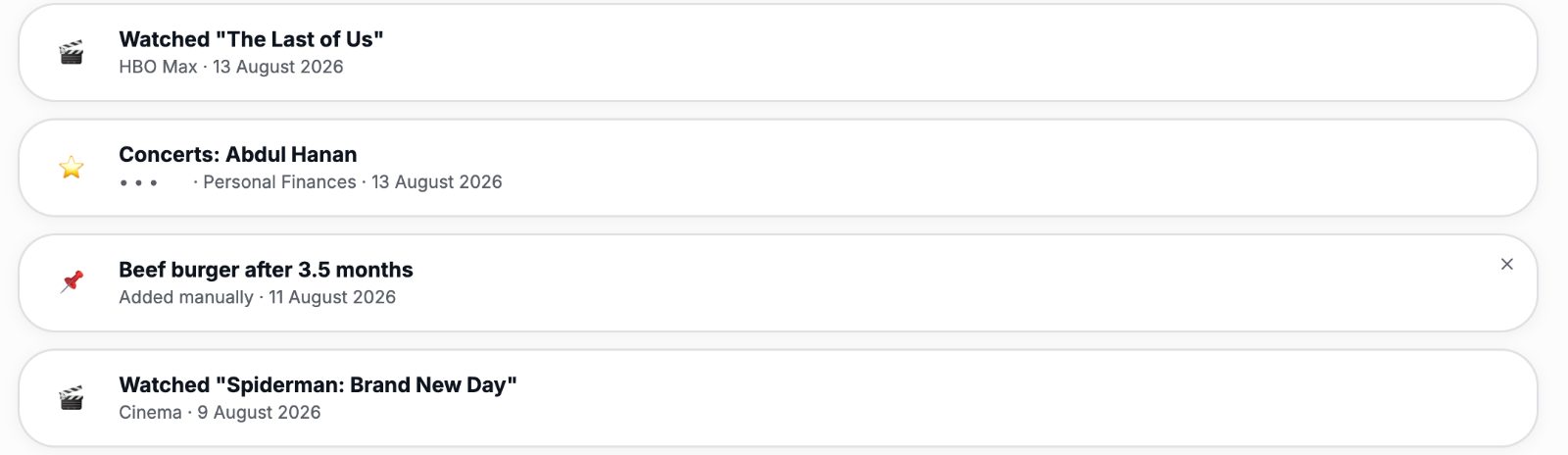
Faizan OS Week 3: A Milestone Feed and the First Privacy Bugs
Week three of building Faizan OS brought a curated milestone feed pulling from across the app, five new modules in two days, and the first bugs where real numbers showed up on screen when they should have stayed hidden.
Read →
Free operational audit
Want help building yours?
I structure and run offshore delivery teams for a living. Start with a free operational audit.