Run This Audit Before You Spend Another Dollar on Restoration Marketing in 2026
July 20, 2026 · Faizan Azhar

A restoration company owner adds a new lead source almost every quarter, another directory listing, another ad platform, another paid lead aggregator. Revenue barely moves. The problem was never a lack of lead sources. It was leaks in the system those leads were flowing into, leaks nobody had ever audited.
Before adding anything new to a marketing stack in 2026, the more useful exercise is auditing what already exists and finding exactly where leads are dying between the click and the booked job.
The Audit: Five Questions to Answer Honestly
1. When a form is submitted on the website, what happens in the next 5 minutes? If the honest answer is "it goes to an inbox and someone checks it eventually," that is the single biggest leak in most restoration marketing stacks. Response speed is one of the most tested and confirmed factors in whether a lead converts to a booked job in emergency service categories.
2. When a call is missed, does anything happen automatically? Most restoration companies lose a meaningful share of leads to missed calls with no follow-up at all. A missed-call text-back system closes this gap for a low cost and typically pays for itself within the first month.
3. Can any single dollar of ad spend be traced to a specific booked job? If the answer is no, the marketing stack has a measurement gap, not just a tracking inconvenience. Without call tracking and basic attribution, budget decisions are guesses dressed up as strategy.
4. Are leads from different sources routed differently, or does everything land in the same place? An emergency water damage lead and someone requesting a quote for routine carpet cleaning have very different urgency levels. A stack that treats them identically is either annoying the emergency lead with slow response or wasting fast-response resources on a lead that was never time-sensitive.
5. What happens to a customer 30 days after the job is completed? If the honest answer is nothing, that is a retention leak. A past customer is dramatically cheaper to re-engage than a new lead, and most restoration companies have no system at all for staying in touch.

What the Audit Usually Reveals
A company generating plenty of leads but stuck at the same revenue for two years almost always has three or more of these gaps. Adding new lead sources on top of them just means more leads leaking out of the same broken points.
Fixing the Leaks Before Expanding the Stack
-
Install a lead response system first. Even a simple automated text acknowledging the inquiry and promising a callback time reduces the damage of slow manual response.
-
Turn on missed-call text-back before adding new ad spend. This closes one of the cheapest and most immediate leaks in the entire stack.
-
Add call tracking to every active channel. Without this, none of the other audit findings can actually be verified or improved over time.
-
Build simple routing rules based on urgency. Emergency-flagged leads get immediate notification to whoever is on call. Non-urgent quote requests can follow a slower, standard process.
-
Automate a 30, 60, and 90-day follow-up sequence. Simple review requests, seasonal maintenance reminders, and referral asks, running without depending on someone remembering to send them.
Only after these five leaks are closed does it make sense to evaluate new lead sources for 2026. A company with a fast response system and clean attribution gets meaningfully more value out of every new dollar spent than one still leaking leads through an unaudited stack.

The Bottom Line
The marketing stack every restoration company actually needs in 2026 is not defined by which new tools get added. It is defined by whether the tools already in place are connected, measured, and fast enough to convert the leads already being generated. Fix the leaks before expanding the pipe.

Frequently asked questions
What is the biggest leak in most restoration company marketing stacks?+
Slow response time to new leads. Many companies take 30 minutes or longer to follow up, well past the window where emergency-intent homeowners have already called a competitor.
Should a restoration company invest in new marketing tools or fix existing ones first?+
Fix existing gaps first. Adding new lead sources on top of a stack with response, tracking, or follow-up leaks typically wastes a significant share of the new spend.
How much does a missed-call text-back system typically cost?+
Costs vary by provider, but most systems are inexpensive relative to the value of a single recovered job, and many pay for themselves within the first month of use.
What is lead routing and why does it matter for restoration companies?+
Lead routing means directing leads differently based on urgency, so an emergency water damage inquiry reaches someone immediately while a routine quote request follows a standard process, rather than treating every lead the same.
How often should a restoration company audit its marketing stack?+
At minimum annually, though reviewing response times, attribution, and follow-up systems quarterly catches leaks earlier and prevents wasted ad spend from compounding.
Tags
More from the blog

SEO Agency vs. Freelancer: What Small Businesses Should Actually Compare
Most small businesses compare SEO agencies and freelancers on price alone. Here is what actually separates them, and how to pick the right one for your stage.
Read →

How Much Does a Fractional COO Actually Cost in 2026? (US/UK/UAE/AU Breakdown)
Fractional COO pricing varies widely by model, market, and scope. Here is a real breakdown of what businesses actually pay in the US, UK, UAE, and Australia in 2026.
Read →
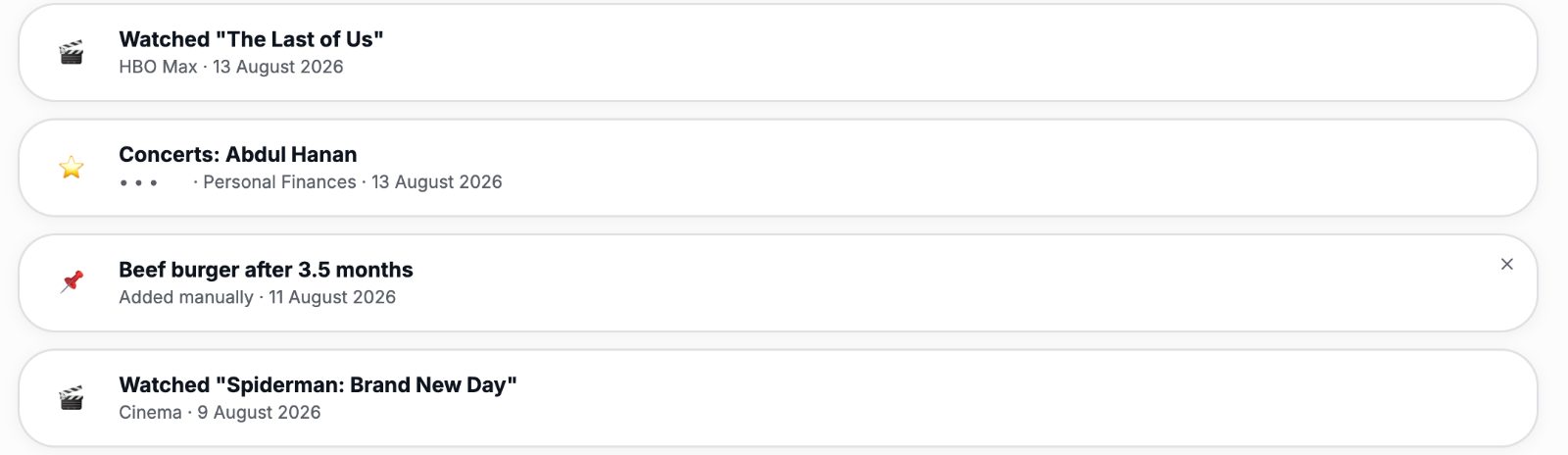
Faizan OS Week 3: A Milestone Feed and the First Privacy Bugs
Week three of building Faizan OS brought a curated milestone feed pulling from across the app, five new modules in two days, and the first bugs where real numbers showed up on screen when they should have stayed hidden.
Read →
Free operational audit
Want help building yours?
I structure and run offshore delivery teams for a living. Start with a free operational audit.