Hostinger vs Namecheap: Which Is Actually Better for Your Business Website in 2026
July 21, 2026 · Faizan Azhar

Most "Hostinger vs Namecheap" posts are written by people who've never had to explain a site outage to a client. I have. Here's what actually separates these two once you get past the marketing pages.
Table of Contents
- The Short Answer
- Speed and Uptime
- Support When Something Breaks
- Pricing and Renewal Traps
- WordPress and Website Builder Experience
- Who Should Choose Hostinger
- Who Should Choose Namecheap
The Short Answer
If you want the takeaway before the detail: Hostinger wins on raw performance and support speed. Namecheap wins on domain management if you're already consolidating domains and hosting in one account. For most small business and agency sites, Hostinger is the stronger default.
That said, "best" depends on what you're optimizing for. Below is where each one actually pulls ahead.

Speed and Uptime
Hostinger runs on LiteSpeed servers with built-in caching, and it shows in real-world load times — most WordPress and static sites I've moved onto it load meaningfully faster without any extra plugin tuning.
Namecheap's shared hosting is reliable but noticeably slower out of the box. You can close some of the gap with caching plugins, but that's extra setup work a small business owner shouldn't have to do just to get a site to load in under two seconds.
For a business site where page speed affects both Google ranking and conversion rate, this isn't a cosmetic difference — it's the difference between a visitor staying or bouncing.
Support When Something Breaks
This is where the gap is widest. Hostinger's live chat consistently responds in a few minutes, including for technical issues, not just billing questions.
Namecheap support is fine for routine account and domain questions, but response times slow down noticeably for hosting-specific technical problems. If your site goes down the night before a launch, that lag matters more than any spec sheet.
Pricing and Renewal Traps
Both companies use the same industry playbook: cheap first year, higher renewal. The difference is how steep that jump is. Namecheap's hosting renewal pricing tends to increase more aggressively than Hostinger's, which matters if you're budgeting a client site for the long haul rather than just the first twelve months.
Where Namecheap earns its name: if you're managing a portfolio of domains, its domain pricing and management tools are genuinely excellent — arguably the best in the category. If domains, not hosting performance, are your priority, that tips the decision.

WordPress and Website Builder Experience
Hostinger's WordPress setup is close to one-click, with automatic updates and staging environments available even on mid-tier plans. For small business owners who aren't developers, that lower friction matters.
Namecheap supports WordPress well too, but the setup process has more steps and the interface feels more like a domain registrar that added hosting than a hosting-first platform.
Who Should Choose Hostinger
- Small business owners launching or migrating a site who want speed without extra configuration
- Agencies managing multiple client sites who need predictable performance and fast support
- Anyone running a WordPress or Shopify-adjacent landing page where load time affects conversions
This is the one I recommend by default for client sites: Get Hostinger →
Who Should Choose Namecheap
- Businesses primarily buying and managing several domains, where hosting is secondary
- Anyone who wants domain registration and light hosting under one login for simplicity
- Budget-first setups where first-year price matters more than long-term renewal cost
Neither choice is wrong. But if performance and support are the deciding factors — and for a revenue-generating business site, they usually should be — Hostinger is the stronger pick.
Ready to move? Start with Hostinger →

Frequently asked questions
Is Hostinger really faster than Namecheap?+
In real-world testing on WordPress and static sites, Hostinger's LiteSpeed-based servers consistently load faster out of the box than Namecheap's shared hosting, without requiring extra caching plugins.
Which is cheaper long-term, Hostinger or Namecheap?+
Hostinger's renewal pricing on hosting tends to increase less steeply than Namecheap's, making it the better long-term value for hosting specifically. Namecheap remains strong for domain-only pricing.
Can I transfer my domain from Namecheap to Hostinger?+
Yes. You can host your site on Hostinger while keeping your domain registered with Namecheap, or transfer the domain entirely — both companies support standard domain transfer processes.
Is Namecheap good for WordPress hosting?+
It's workable, but the setup has more manual steps and the platform feels secondary to its domain registration business. Hostinger's WordPress environment is more streamlined for non-developers.
Which is better for an agency managing multiple client sites?+
Hostinger, mainly due to faster support response times and more consistent performance across sites, which matters when you're accountable for uptime on behalf of clients.
Tags
More from the blog

SEO Agency vs. Freelancer: What Small Businesses Should Actually Compare
Most small businesses compare SEO agencies and freelancers on price alone. Here is what actually separates them, and how to pick the right one for your stage.
Read →

How Much Does a Fractional COO Actually Cost in 2026? (US/UK/UAE/AU Breakdown)
Fractional COO pricing varies widely by model, market, and scope. Here is a real breakdown of what businesses actually pay in the US, UK, UAE, and Australia in 2026.
Read →
Faizan OS Week 3: A Milestone Feed and the First Privacy Bugs
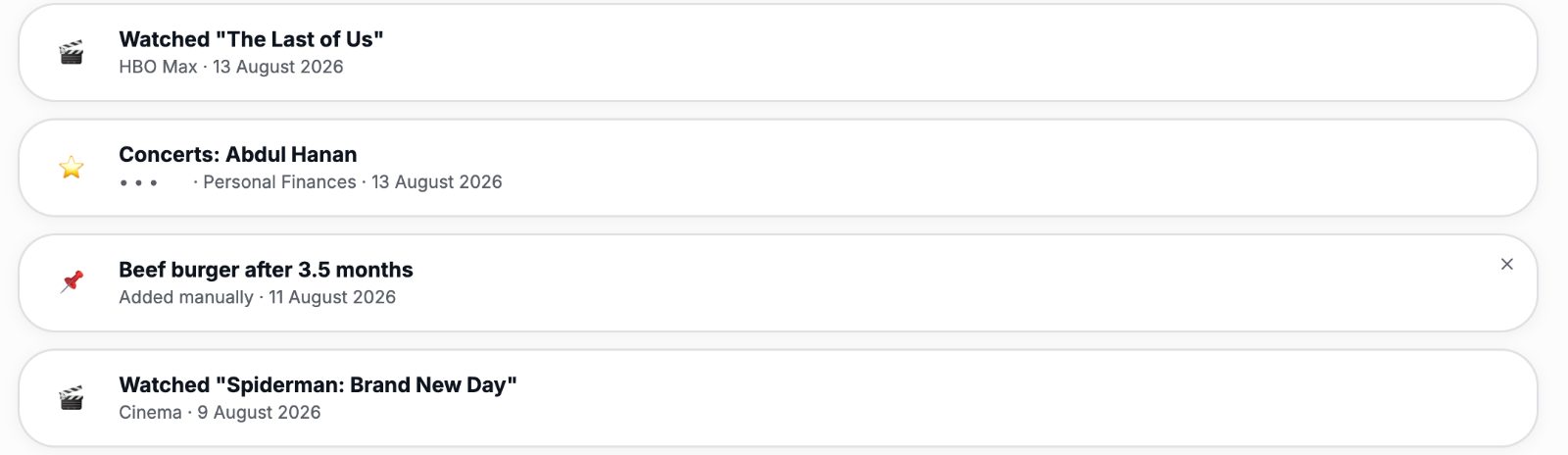
Week three of building Faizan OS brought a curated milestone feed pulling from across the app, five new modules in two days, and the first bugs where real numbers showed up on screen when they should have stayed hidden.
Read →
Free operational audit
Want help building yours?
I structure and run offshore delivery teams for a living. Start with a free operational audit.