Why Home Service Businesses Plateau at the Same Revenue Ceiling
July 15, 2026 · Faizan Azhar

You're running ads. Leads are coming in. Your crews are booked most weeks. And yet — year over year, revenue lands in roughly the same place. Not down. Not really up either. Just stuck.
If that sounds familiar, you're not alone, and you're probably not doing anything wrong on the surface. Most home service businesses — HVAC, roofing, plumbing, landscaping, remodeling — don't plateau because demand dries up. They plateau because the system behind the business, the one that turns a lead into a booked, paid, repeat customer, can't handle more volume than it's already handling.
Table of Contents
- The Plateau Isn't a Marketing Problem
- 4 Reasons Home Service Businesses Get Stuck
- The Real Cost of a Revenue Ceiling
- What Breaking Through Actually Looks Like
- Growth Is a Systems Problem, Not Just a Lead-Gen Problem
The Plateau Isn't a Marketing Problem
The instinct when revenue stalls is to spend more on ads: run more Google Local Services campaigns, boost the Meta budget, chase more leads. Sometimes that works for a quarter. Then the plateau comes right back.
That's because more leads don't fix a business that's already dropping leads it has. If your close rate is average, your follow-up is slow, and your scheduling has gaps, pouring more traffic into that funnel just means you're paying more to leak more. The ceiling isn't how many people call you — it's how well your business turns "someone called" into "someone paid, and referred a friend."

4 Reasons Home Service Businesses Get Stuck
These are the patterns that show up over and over in businesses stuck at the same revenue for multiple years running.
-
Speed-to-lead is too slow. In home services, the business that calls back first usually wins the job — not the best business, the fastest one. If a lead sits for even 30 minutes before follow-up, you're losing jobs to a competitor who called back in five.
-
Scheduling depends on one person's memory. Whether it's a dispatcher juggling a whiteboard or an office manager doing it all in their head, a scheduling system that lives in someone's brain caps how much volume the business can handle before things start slipping.
-
No real retention or referral engine. Most home service revenue growth should come from repeat customers and referrals — but without automated follow-up, review requests, and seasonal re-engagement, every job is a one-off, and every quarter starts back at zero.
-
Marketing and operations aren't talking to each other. Ads are optimized for lead volume, but nobody's tracking which leads actually convert to booked, paid jobs. Without that feedback loop, you're spending blind.
The Real Cost of a Revenue Ceiling
A revenue plateau isn't just a flat line on a chart — it's compounding cost. Every lead that goes uncalled, every job that doesn't get a review request, every past customer who never hears from you again is money that already showed up at your door and walked back out.
Ask yourself:
- Do we know, this month, what percentage of leads actually converted to booked jobs?
- If our lead volume doubled tomorrow, would our scheduling and follow-up hold up, or fall apart?
- Are we getting reviews and referrals systematically, or only when a happy customer thinks to leave one on their own?
- Is anyone tracking which marketing channel actually produces paying customers, not just clicks?
If two or more of those make you wince, the ceiling isn't demand. It's the system underneath it.
What Breaking Through Actually Looks Like
Breaking a revenue plateau in home services almost never means spending more on ads first. It means fixing the machine that turns leads into revenue.
-
Automate speed-to-lead. Instant text and call-back triggers the moment a lead comes in, so response time drops from hours to minutes.
-
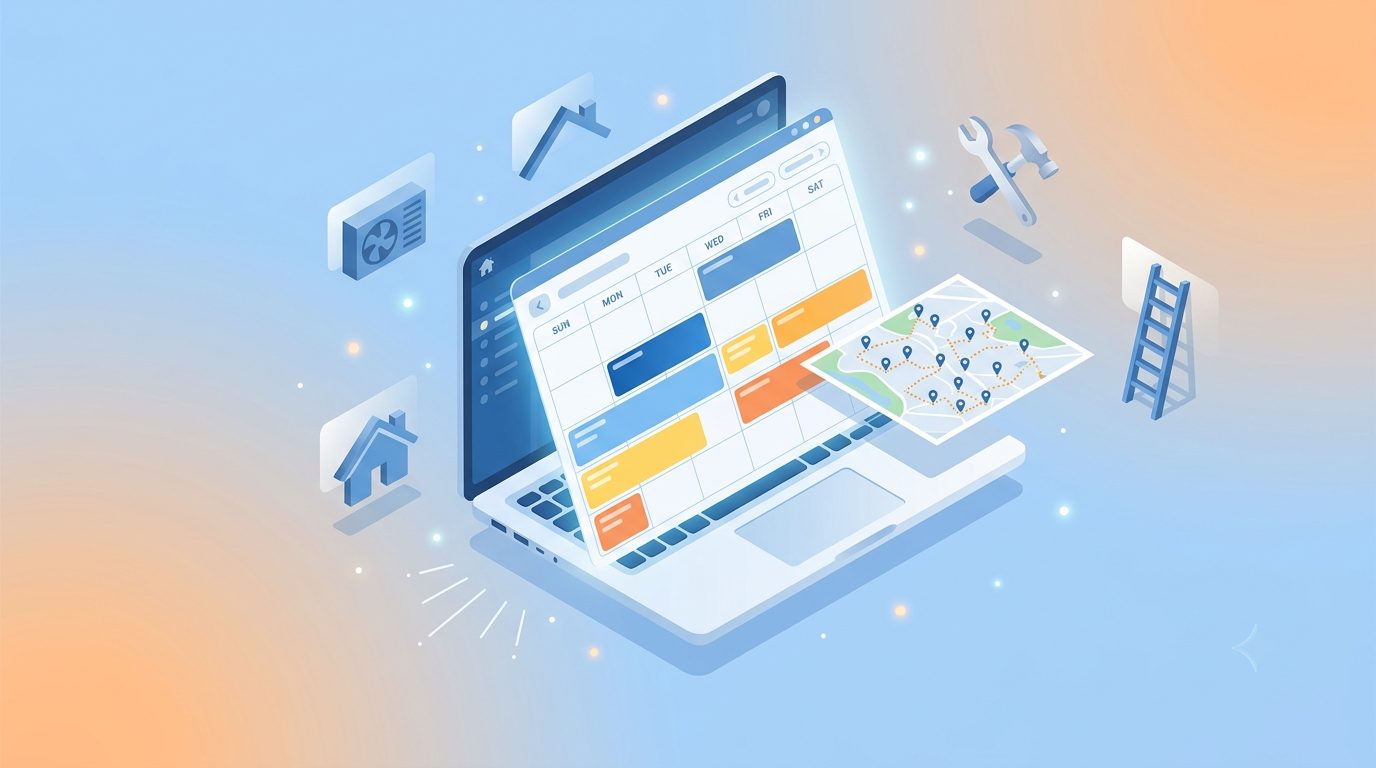
Centralize scheduling and dispatch. One system, not a whiteboard and three group chats, so the business can absorb more volume without more chaos.
-
Build a retention loop. Automated review requests, seasonal maintenance reminders, and referral prompts turn one-time customers into a recurring revenue base.
-
Connect marketing data to job data. Know which channel, which campaign, and which lead source actually produces booked, paid work, not just form fills.

Growth Is a Systems Problem, Not Just a Lead-Gen Problem
More leads on a broken system just produces a bigger mess, faster. The businesses that actually break through their revenue ceiling are the ones that fix speed-to-lead, scheduling, and retention before they scale up spend, so every new dollar in marketing has a system behind it built to convert it.
Ready to find out where your business is leaking revenue? Mapping speed-to-lead, scheduling, and retention systems first — before spending another dollar on ads — is where a real fix starts.
Frequently asked questions
Why does my home service business get more leads but not more revenue?+
Extra leads only help if your business can convert them faster than they arrive. Slow follow-up, manual scheduling, and no retention process mean most of that added lead volume leaks out before it becomes paid work.
What is "speed-to-lead" and why does it matter so much in home services?+
Speed-to-lead is how fast your business responds to a new inquiry. In home services, the company that calls back first usually wins the job regardless of price or quality, since customers often book with whoever answers fastest.
How do I know if my problem is marketing or operations?+
Check your lead-to-booked-job conversion rate. If leads are plentiful but conversion is low or inconsistent, the issue is almost always in follow-up, scheduling, or retention, not in the volume of traffic you're generating.
Do I need to hire more office staff to fix scheduling and follow-up?+
Usually not first. Most of these bottlenecks are fixable with automation, instant response triggers, centralized dispatch software, and automated review or re-engagement workflows, before adding headcount.
What should I fix first if I'm stuck at a revenue plateau?+
Start with speed-to-lead, since it has the fastest, most measurable impact. From there, fix scheduling so growth doesn't create chaos, then build out a retention and referral loop to stop starting every quarter from zero.
Tags
More from the blog

SEO Agency vs. Freelancer: What Small Businesses Should Actually Compare
Most small businesses compare SEO agencies and freelancers on price alone. Here is what actually separates them, and how to pick the right one for your stage.
Read →

How Much Does a Fractional COO Actually Cost in 2026? (US/UK/UAE/AU Breakdown)
Fractional COO pricing varies widely by model, market, and scope. Here is a real breakdown of what businesses actually pay in the US, UK, UAE, and Australia in 2026.
Read →
Faizan OS Week 3: A Milestone Feed and the First Privacy Bugs
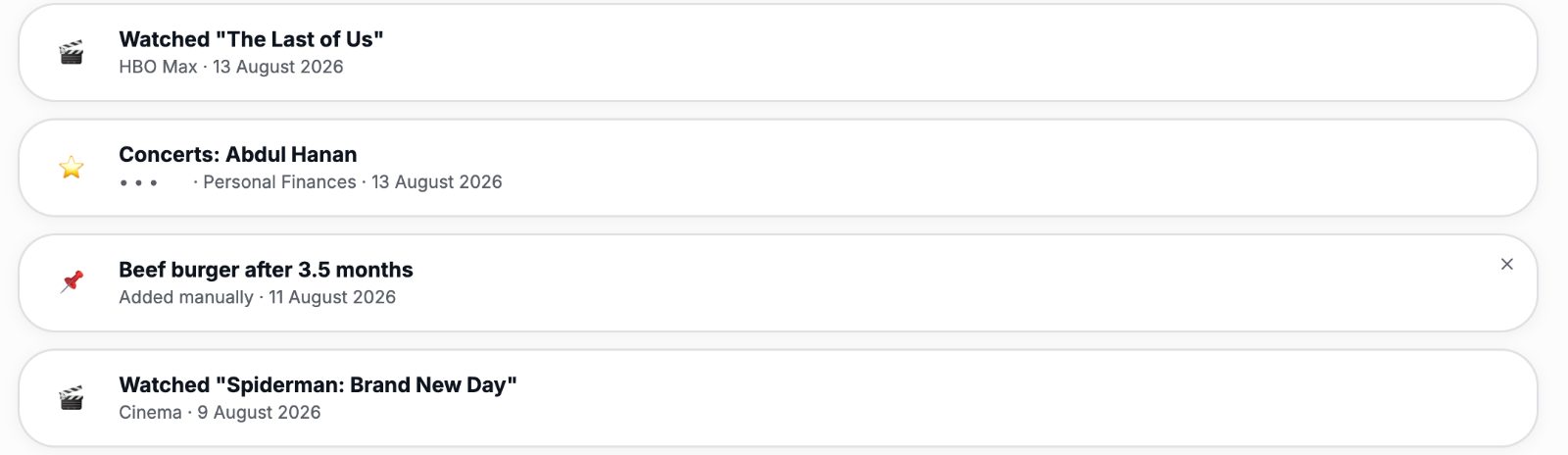
Week three of building Faizan OS brought a curated milestone feed pulling from across the app, five new modules in two days, and the first bugs where real numbers showed up on screen when they should have stayed hidden.
Read →
Free operational audit
Want help building yours?
I structure and run offshore delivery teams for a living. Start with a free operational audit.