How Home Services Businesses Lose Revenue to Operational Bottlenecks (And How to Fix It)
July 14, 2026 · Faizan Azhar

Your phone is ringing, your calendar is full, and crews are out on jobs every day. By every visible metric, business looks good. So why doesn't the bank account reflect it? For most home services businesses — HVAC, plumbing, roofing, landscaping, remodeling — being busy and being profitable are two different things, and the gap between them is almost always operational.
The Lead Problem Isn't Usually a Lead Problem
When revenue feels tight, the instinct is to spend more on ads. But pouring more leads into a leaky funnel just produces more leaks. If your close rate on inbound calls sits at 30% because half your team's day goes to manual scheduling and paperwork, doubling ad spend just makes the same problem more expensive. Home services margins are won or lost in the backend — how fast you respond, how cleanly a job moves from quote to booking to invoice, and how much manual work sits between a customer saying yes and money hitting your account.
Five Places Revenue Quietly Leaks Out
Slow or inconsistent lead response. In this industry, the first company to call back usually wins the job. If response time depends on whoever happens to check the inbox that hour, you're losing bookings to competitors who automated this step.
Manual scheduling and dispatch. Double-bookings, wasted drive time, and crews standing around waiting for an assignment are all symptoms of scheduling that lives in someone's head or a shared spreadsheet instead of a real system.
Disconnected quoting, invoicing, and payment. When a technician's quote doesn't automatically become an invoice, someone has to re-enter it by hand — and every manual re-entry point is a place where jobs get billed late, billed wrong, or not billed at all.
No systemized follow-up on estimates. Most home services companies don't close every estimate on the first call. Without an automated follow-up sequence, warm leads go cold and quietly vanish from the pipeline.
No job-level profitability tracking. Without a system comparing cost to revenue per job, it's possible to run a fully booked crew schedule that's barely breaking even — and never notice.
The Math on Slow Follow-Up
Run the numbers most owners haven't run. If your average job is worth $2,000 to $5,000 and you're losing even 15% of estimates to slow follow-up, that isn't a minor inefficiency — it's tens of thousands of dollars a year disappearing with no line item to blame. Fixing follow-up speed is usually the single highest-ROI operational change available in this industry, and it rarely requires new headcount.
What Good Operations Actually Look Like
A home services business with its backend dialed in has a few things in common:
- Leads get an automated first response within minutes, day or night
- Scheduling and dispatch run through a system crews can see in real time, not a group chat or whiteboard
- Quotes convert directly to invoices with no re-keying
- Every unclosed estimate sits in an automated follow-up sequence until it's won or lost
- Owners can see profit by job, by crew, and by service line — not just total revenue
None of this requires a bigger team. It requires the repeatable work running through systems instead of through memory.
Where to Start
Fix these in order, not all at once:
- Map your lead-to-booking pipeline. Know exactly what happens, and how long it takes, from first contact to job scheduled.
- Automate first response and follow-up. This is almost always the highest-leverage fix available.
- Connect quoting, scheduling, and invoicing. Eliminate every point where someone re-types the same information.
- Build job-level profit tracking. Growth decisions should be based on margin, not just volume booked.
This is the operational infrastructure work that separates home services brands that scale profitably from ones that just stay busy. If your business is booked solid but the margin doesn't show it, the fix isn't more leads — it's the systems sitting between your leads and your revenue.
Frequently asked questions
What's the biggest operational bottleneck for home services businesses?+
Slow lead follow-up is usually the biggest one. Response speed directly determines close rate in this industry, and it's often the easiest fix to automate.
How do I know if my business has an operations problem versus a marketing problem?+
If you're generating enough leads but your close rate, job margin, or cash flow doesn't match your booking volume, the issue is almost always in the backend — not in how many leads you're getting.
Do I need new software to fix these bottlenecks?+
Not always. Many home services businesses already own tools that can handle scheduling, quoting, and follow-up automatically — they're just not connected or configured to do it. The fix is often integration and process, not a new purchase.
How much revenue can better operations actually recover?+
It varies by business, but a company closing $2,000-$5,000 average jobs that improves follow-up speed and estimate close rate by even 10-15% is often recovering tens of thousands of dollars a year with no added ad spend.
What should I fix first if I can only tackle one thing?+
Lead response and follow-up automation. It has the fastest payback of any operational fix and doesn't require restructuring your whole business to implement.
Tags
More from the blog

SEO Agency vs. Freelancer: What Small Businesses Should Actually Compare
Most small businesses compare SEO agencies and freelancers on price alone. Here is what actually separates them, and how to pick the right one for your stage.
Read →

How Much Does a Fractional COO Actually Cost in 2026? (US/UK/UAE/AU Breakdown)
Fractional COO pricing varies widely by model, market, and scope. Here is a real breakdown of what businesses actually pay in the US, UK, UAE, and Australia in 2026.
Read →
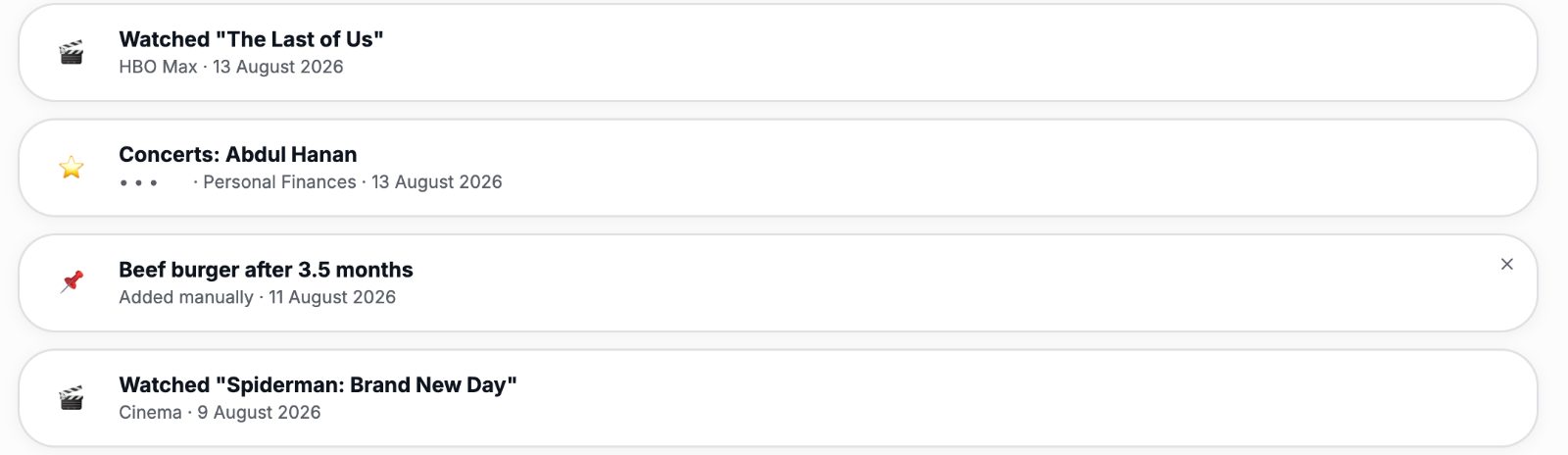
Faizan OS Week 3: A Milestone Feed and the First Privacy Bugs
Week three of building Faizan OS brought a curated milestone feed pulling from across the app, five new modules in two days, and the first bugs where real numbers showed up on screen when they should have stayed hidden.
Read →
Free operational audit
Want help building yours?
I structure and run offshore delivery teams for a living. Start with a free operational audit.