Faizan OS Week 2: Food Diary and the Duplicate Reads Nobody Noticed
August 29, 2026 · Faizan Azhar
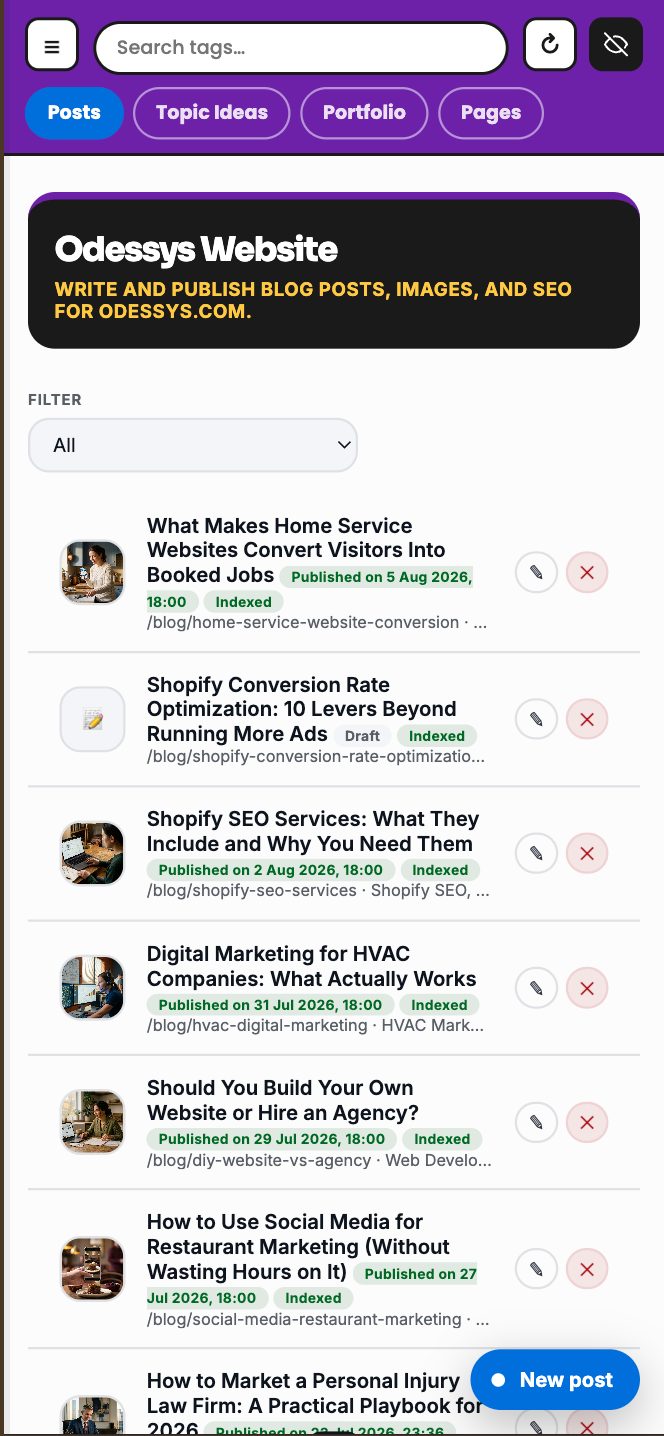
Week one of Faizan OS was about getting a baseline in place: thirteen ported modules, a website, the start of Quick Capture. Week two was quieter on the surface and messier underneath, the kind of week where you add one new thing and discover three old things were already broken.
Table of Contents
- Finishing What Week One Started
- A Second Website, Forked
- Food Diary Arrives
- The Duplicate Reads Nobody Noticed
- What's Next
Finishing What Week One Started
The first few days of week two were cleanup, not features. Topic Ideas import got fixed, mobile layout issues got ironed out, and search autocomplete kept getting refined. None of it was glamorous, but it's the kind of work that decides whether the app feels solid day to day or just looks solid in a demo.
This stretch is easy to skip over when telling the story later, but it's honestly most of what building something actually looks like. Ship something, then spend a few days making it not annoying to use.
A Second Website, Forked
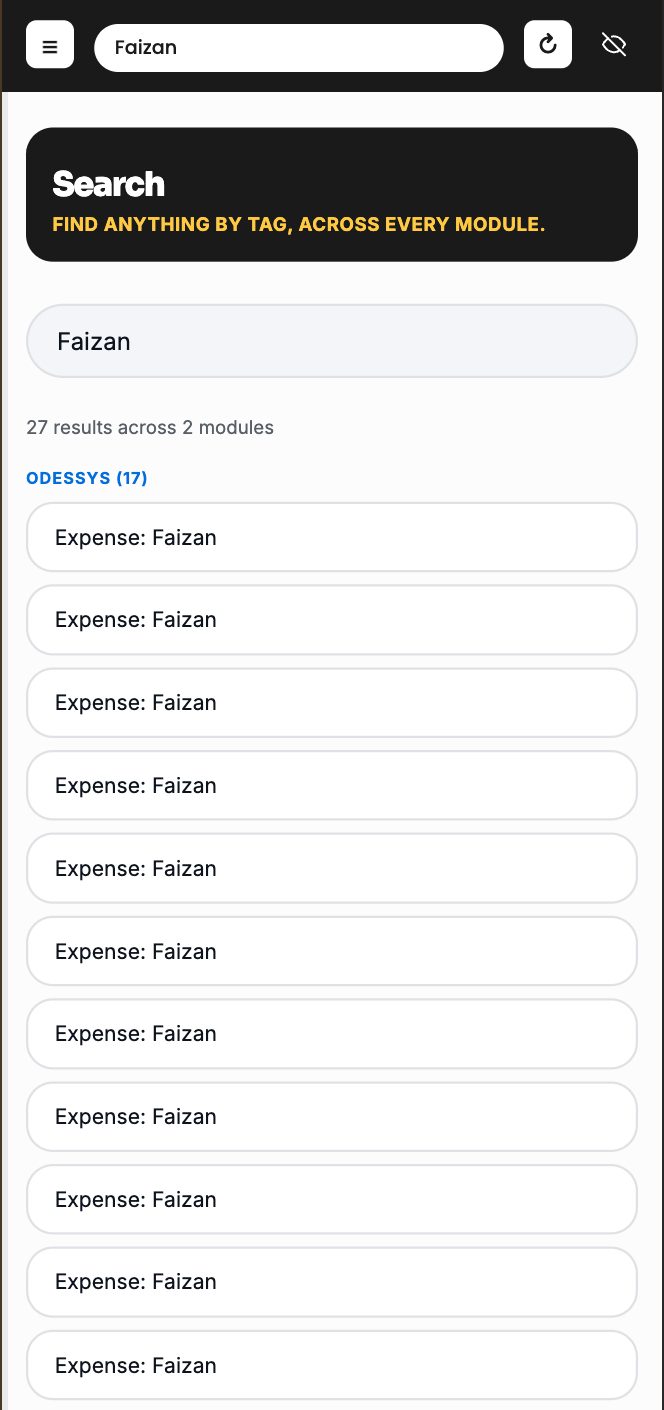
Faizan's Website module, the one for publishing to faizanazhar.com, had only existed for about a week. It got forked into a second module for odessys.com, following the same pattern: post editor, Cloudinary image uploads, AI-prompt-assisted drafting where I write a prompt, paste it into a separate Claude conversation, and bring the result back in.
The fork added one new piece the original didn't have: a Portfolio and case-study tab, since an agency site needed a way to show finished work that a personal blog didn't.
Forking a module instead of building a second one from scratch turned out to matter later. When a bug showed up in one Website module, it usually showed up in the other too, for the exact same reason, which made both easier to fix once found.
Food Diary Arrives
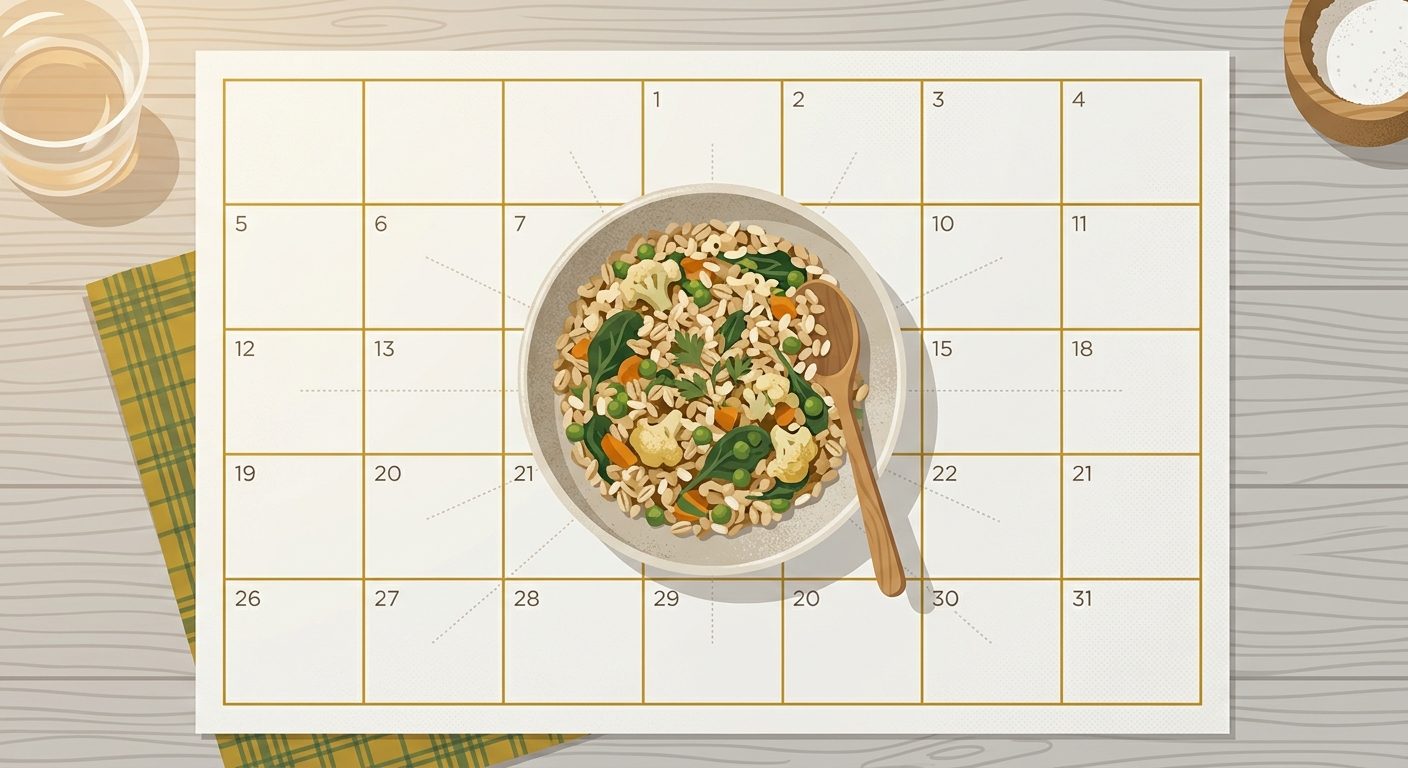
A new module landed this week: Food Diary, for logging meals. It shipped and then got iterated on almost immediately, gaining pagination and calendar-based day and range navigation within the same stretch.
Food Diary didn't last in this form. It would later get replaced entirely by a broader Routine module that logs a full day across custom categories, not just meals. But it's worth naming here because it's a good example of how modules in this app actually evolve: ship something narrow, use it for real, then either extend it or replace it once the narrow version's limits become obvious.
The Duplicate Reads Nobody Noticed
The most important work this week wasn't a new feature at all. It was a batch of fixes to a bug that had been quietly running since the very first modules landed in week one: several modules were re-fetching the same Firestore data over and over instead of reading it once and reusing it.
Watch Queue, Trips, and Liabilities all had uncached duplicate reads. Net Worth and Patterns were independently duplicating reads that other modules had already made. Both Website modules were re-fetching their entire post collection on every load instead of just the new data.
None of this was visible as a bug in the normal sense. Nothing crashed, nothing looked wrong on screen. It just meant the app was doing more work than it needed to, quietly, in the background, since the day those modules were first built. Finding and fixing it took going module by module and asking a boring but necessary question: does this actually need to fetch this again, or do we already have it?

What's Next
By the end of week two, the module count had grown by one, but the more meaningful change was under the hood. A pattern was setting in: build something, use it for real, and only then find out what it's actually costing you. Week three is where that pattern keeps going, with a curated milestone feed and the first bugs that touch something more sensitive than performance: privacy.
Frequently asked questions
What is the Food Diary module and does it still exist?+
Food Diary was an early module for logging meals, added in week two. It was later replaced entirely by a broader Routine module that logs a full day across custom categories, not just food.
What does "duplicate Firestore reads" actually mean?+
It means a module was fetching the same data from the database more than once when it already had it, or re-fetching an entire collection instead of just the new parts. It doesn't cause visible errors, but it wastes reads and slows things down quietly.
Why was the Odessys Website module built as a fork of Faizan's Website?+
Both sites needed the same core features: a post editor, image uploads, and AI-assisted drafting. Forking an existing module was faster than building a second one from scratch, and it meant bugs found in one usually applied to both.
How were the duplicate read bugs found if nothing was visibly broken?+
By going through each module's code and checking whether it was fetching data it already had elsewhere in the app, rather than waiting for a symptom to show up on screen.
Is fixing background performance bugs like this normal in a vibe coded app?+
Yes. Features that work correctly on the surface can still carry inefficiencies underneath, and catching them usually takes a deliberate pass through the code rather than waiting for something to visibly break.
Tags
More from the blog

SEO Agency vs. Freelancer: What Small Businesses Should Actually Compare
Most small businesses compare SEO agencies and freelancers on price alone. Here is what actually separates them, and how to pick the right one for your stage.
Read →

How Much Does a Fractional COO Actually Cost in 2026? (US/UK/UAE/AU Breakdown)
Fractional COO pricing varies widely by model, market, and scope. Here is a real breakdown of what businesses actually pay in the US, UK, UAE, and Australia in 2026.
Read →
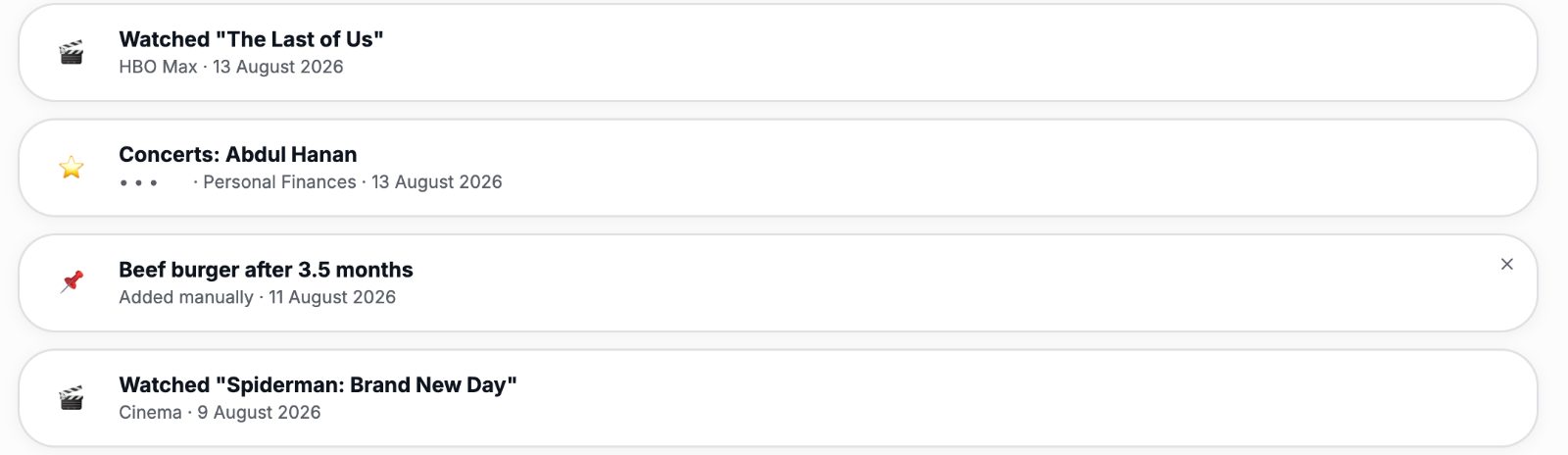
Faizan OS Week 3: A Milestone Feed and the First Privacy Bugs
Week three of building Faizan OS brought a curated milestone feed pulling from across the app, five new modules in two days, and the first bugs where real numbers showed up on screen when they should have stayed hidden.
Read →
Free operational audit
Want help building yours?
I structure and run offshore delivery teams for a living. Start with a free operational audit.